Pigmentation concerns affect people of all skin types and ages, often developing due to sun exposure, hormonal changes, acne, or inflammation. Advances in laser technology have made it possible to target these concerns with greater accuracy and safety than ever before. Among these innovations, Q-switched Laser Treatment in Riyadh is frequently highlighted for its ability to remove pigmentation by working in harmony with the skin’s natural processes, offering effective results without compromising skin integrity.
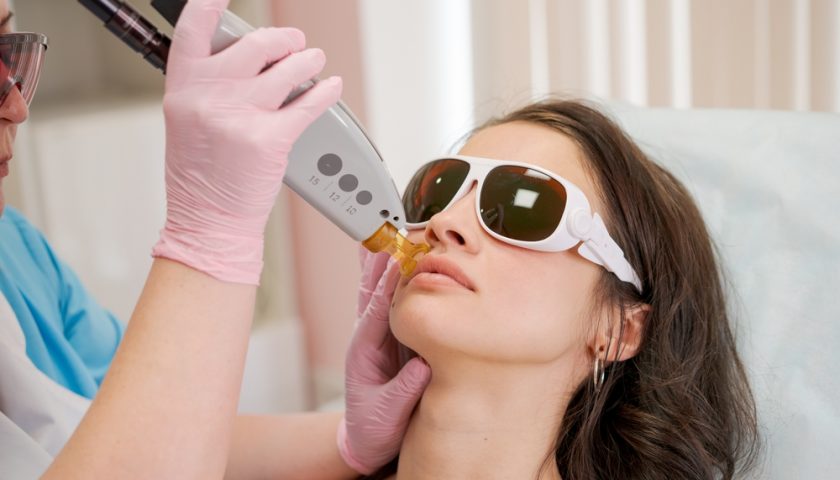
What Is Q-Switched Laser Technology:
Q-switched laser technology is based on the principle of delivering high-energy light in extremely short pulses, measured in nanoseconds, which allows the laser to target pigment particles precisely without overheating the surrounding skin. Instead of relying on prolonged heat, the laser produces a photoacoustic effect that breaks pigment into tiny fragments. This scientific design reduces the risk of burns or scarring while maintaining strong efficacy, and its core characteristics include:
Ultra-short pulse duration
High peak energy with controlled delivery
Selective targeting of pigment only
Understanding the Nature of Pigmentation:
Pigmentation occurs when melanin is produced unevenly or deposited in excess within the skin, often as a response to environmental or biological triggers. These pigment clusters can be superficial, deep, or mixed, which makes treatment challenging without advanced technology. Q-switched lasers are engineered to recognize and interact with melanin specifically, allowing them to address pigmentation while leaving healthy tissue unaffected, supported by:
Selective absorption of laser energy by melanin
Minimal interaction with surrounding cells
Adaptability to different pigmentation depths
The Photoacoustic Effect Explained:
One of the key reasons Q-switched lasers remove pigmentation safely is the photoacoustic effect, a process where rapid energy delivery creates mechanical vibrations that shatter pigment particles. Unlike thermal lasers that heat tissue over time, this method relies on speed and precision, reducing collateral damage. The fragmented pigment becomes small enough for the body to clear naturally, and this mechanism is enhanced by:
Rapid shockwave formation within pigment
Absence of prolonged heat exposure
Lower risk of post-treatment complications
How the Body Clears Pigment Naturally:
Once pigment particles are broken down by the laser, the body’s immune system plays a vital role in clearing them away. Specialized cells known as macrophages absorb the fragments and transport them through the lymphatic system for elimination. This gradual biological process explains why results improve over time rather than instantly, and it involves:
Activation of the skin’s natural defense cells
Progressive lightening over multiple weeks
Improved skin clarity through natural renewal
Safety Advantages of Q-Switched Lasers:
Safety is a defining feature of Q-switched laser treatments, largely due to their controlled energy delivery and selective targeting. The laser’s short pulse duration prevents excessive heat buildup, which is especially important for minimizing risks in sensitive or darker skin types. Modern systems further enhance safety through advanced engineering, including:
Consistent energy output for predictable results
Built-in cooling features for skin comfort
Reduced likelihood of scarring or burns
Effectiveness Across Different Skin Types:
One of the most significant benefits of Q-switched lasers is their versatility across a wide range of skin tones and textures. By adjusting wavelengths and fluence levels, practitioners can customize treatment to suit individual skin characteristics while maintaining safety. This adaptability makes the technology suitable for diverse populations, supported by:
Wavelength options for superficial and deep pigment
Custom settings for melanin-rich skin
Controlled treatment intensity for gradual improvement
Common Pigmentation Concerns Treated:
Q-switched lasers are widely used to address various forms of unwanted pigmentation, thanks to their precision and reliability. The same underlying technology can be adapted to different conditions by modifying treatment parameters, making it a comprehensive solution. Common concerns treated include:
Sunspots and age spots
Melasma and hormonal pigmentation
Post-acne dark marks
Uneven skin tone caused by inflammation
Treatment Experience and Recovery:
From a patient perspective, Q-switched laser treatment is generally well tolerated, with sessions that are relatively quick and manageable. Mild redness or swelling may appear immediately after treatment, but these effects typically subside within a short period. The controlled nature of the laser supports faster recovery, and the experience is characterized by:
Short treatment sessions
Minimal downtime compared to other methods
Gradual, natural-looking results
Long-Term Results and Skin Maintenance:
While Q-switched lasers effectively remove existing pigmentation, maintaining results requires ongoing skin care and protective habits. Pigmentation can recur if triggering factors such as UV exposure are not managed, which is why long-term clarity depends on both treatment and lifestyle choices. Discussions around Q-switched Laser Treatment in Riyadh often emphasize maintenance strategies such as:
Consistent sun protection
Gentle, non-irritating skincare routines
Periodic evaluations to monitor skin changes
Final Thoughts.
Q-switched laser technology represents a scientifically advanced approach to pigmentation removal, combining precision, safety, and effectiveness in a single treatment method. By using ultra-short pulses to break down pigment without harming surrounding tissue, it supports the skin’s natural healing and clearance mechanisms. Understanding how this technology works helps set realistic expectations and highlights why it continues to be a trusted option for those seeking clearer, more even-toned skin through a safe and controlled process.