Hair restoration has become more advanced and personalized than ever before, giving individuals multiple paths to address thinning and hair loss. Two of the most discussed options today are PRP hair therapy and hair transplant surgery. With growing interest in regenerative medicine, many people researching PRP hair regrowth Riyadh are also comparing it to surgical solutions to determine which approach best fits their goals, lifestyle, and stage of hair loss. Understanding how these treatments differ is key to making an informed decision.
Understanding the Nature of Hair Loss:
Hair loss is a progressive condition influenced by genetics, hormones, age, and lifestyle factors. In early stages, follicles weaken and produce thinner strands, while advanced stages involve complete follicular loss. The degree of progression plays a major role in determining whether a regenerative treatment like PRP or a surgical approach such as a transplant is more appropriate.
What PRP Hair Therapy Involves:
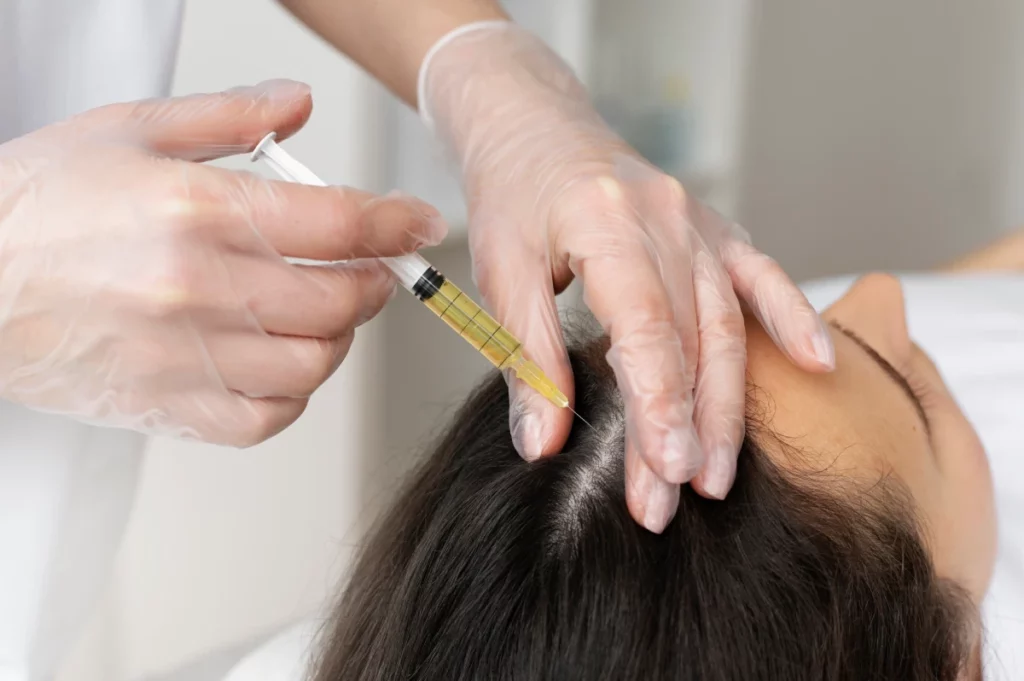
PRP hair therapy uses platelet-rich plasma derived from the patient’s own blood to stimulate existing hair follicles. Growth factors in PRP enhance blood supply, reduce inflammation, and encourage follicles to re-enter or remain in the growth phase. This treatment focuses on strengthening and revitalizing hair that is already present rather than replacing lost follicles.
What a Hair Transplant Entails:
A hair transplant is a surgical procedure that involves harvesting hair follicles from a donor area, typically the back of the scalp, and implanting them into thinning or bald areas. The transplanted follicles are genetically resistant to hair loss, making this a permanent solution for areas where follicles no longer function.
Ideal Candidates for PRP Therapy:
PRP is most effective for individuals with early to moderate hair thinning. It works best when follicles are still alive but underperforming. People looking for a non-surgical option with minimal downtime often choose PRP as either a standalone treatment or a preventive measure.
Ideal Candidates for Hair Transplant:
Hair transplant surgery is better suited for individuals with advanced hair loss and clearly defined bald areas. Candidates must have sufficient donor hair and realistic expectations. This option appeals to those seeking visible coverage in areas where hair no longer grows naturally.
Differences in Treatment Goals:
PRP and hair transplants serve different objectives. PRP aims to improve hair quality, density, and scalp health over time, while transplants focus on restoring hair to bald areas. Understanding whether your goal is preservation or replacement helps clarify which option aligns with your needs.
Recovery Time and Lifestyle Impact:
PRP therapy involves minimal recovery, allowing patients to resume daily activities almost immediately. Hair transplant surgery requires downtime, post-operative care, and a longer healing phase. Lifestyle flexibility is often a deciding factor for individuals balancing work and personal commitments.
Timeline for Results:
PRP results develop gradually, with reduced shedding and improved thickness appearing over several months. Hair transplant results take longer, as transplanted hair sheds initially before new growth begins. Full transplant outcomes may take up to a year to become visible.
Safety and Risk Considerations:
PRP is considered very safe due to its autologous nature, with minimal risk of adverse reactions. Hair transplants are generally safe when performed by experienced surgeons but carry typical surgical risks such as swelling, scarring, or infection. Risk tolerance varies from person to person.
Cost and Long-Term Maintenance:
Cost structures differ significantly between the two treatments. PRP typically involves multiple sessions and ongoing maintenance, while hair transplants are usually a one-time procedure with long-term results. When comparing options, individuals often consider:
Initial treatment cost
Need for maintenance sessions
Long-term value and durability
Impact on future hair loss management
Combining PRP and Hair Transplant:
In many cases, PRP and hair transplant are not mutually exclusive. PRP is frequently used to support transplant outcomes by improving healing and graft survival. It may also help preserve surrounding native hair, creating a more uniform and natural result.
Choosing Based on Hair Loss Stage:
Early intervention often favors PRP, while advanced hair loss may require surgical restoration. Those in transitional stages sometimes benefit from a combined approach. Personalized assessment is essential, especially for individuals evaluating PRP hair regrowth Riyadh alongside surgical options.
Emotional and Psychological Factors:
Hair restoration decisions are deeply personal. Some prefer gradual, natural improvement, while others want immediate structural change. Comfort with surgery, expectations, and emotional readiness all influence the final choice between PRP and hair transplant.
Final Thoughts
Choosing between PRP hair therapy and a hair transplant depends on your hair loss stage, goals, lifestyle, and expectations. Both treatments offer proven benefits when used appropriately, and neither is universally better than the other. Key points to consider include:
PRP strengthens existing follicles and slows progression
Hair transplants restore hair where follicles are no longer active
PRP offers minimal downtime, while transplants provide permanent coverage
Combination approaches can enhance overall outcomes
With professional guidance and a clear understanding of your needs, selecting the right treatment becomes a strategic step toward long-term hair confidence.